Work-Related Injury: Causes, Prevention, and Effective Treatment
Work-related injuries are a growing concern across industries. Whether you work in construction, healthcare, or an office environment, injuries can occur anytime. Therefore, understanding the causes, prevention strategies, and treatment options is essential. Not only does this knowledge help protect employees, but it also improves workplace productivity and safety.Work-related injuries can affect anyone, regardless of their profession. However, with proper awareness, prevention strategies, and timely treatment, these injuries can be minimized. Employers must create a safe environment, while employees must follow safety practices.
What is a Work-Related Injury?
A work-related injury refers to any physical harm, illness, or condition that occurs due to workplace activities. In most cases, these injuries happen while performing job duties. However, they can also develop over time due to repetitive stress or poor working conditions.
Common Causes of Work-Related Injuries
Understanding the causes is the first step toward prevention. Several factors contribute to workplace injuries.
1. Slips, Trips, and Falls
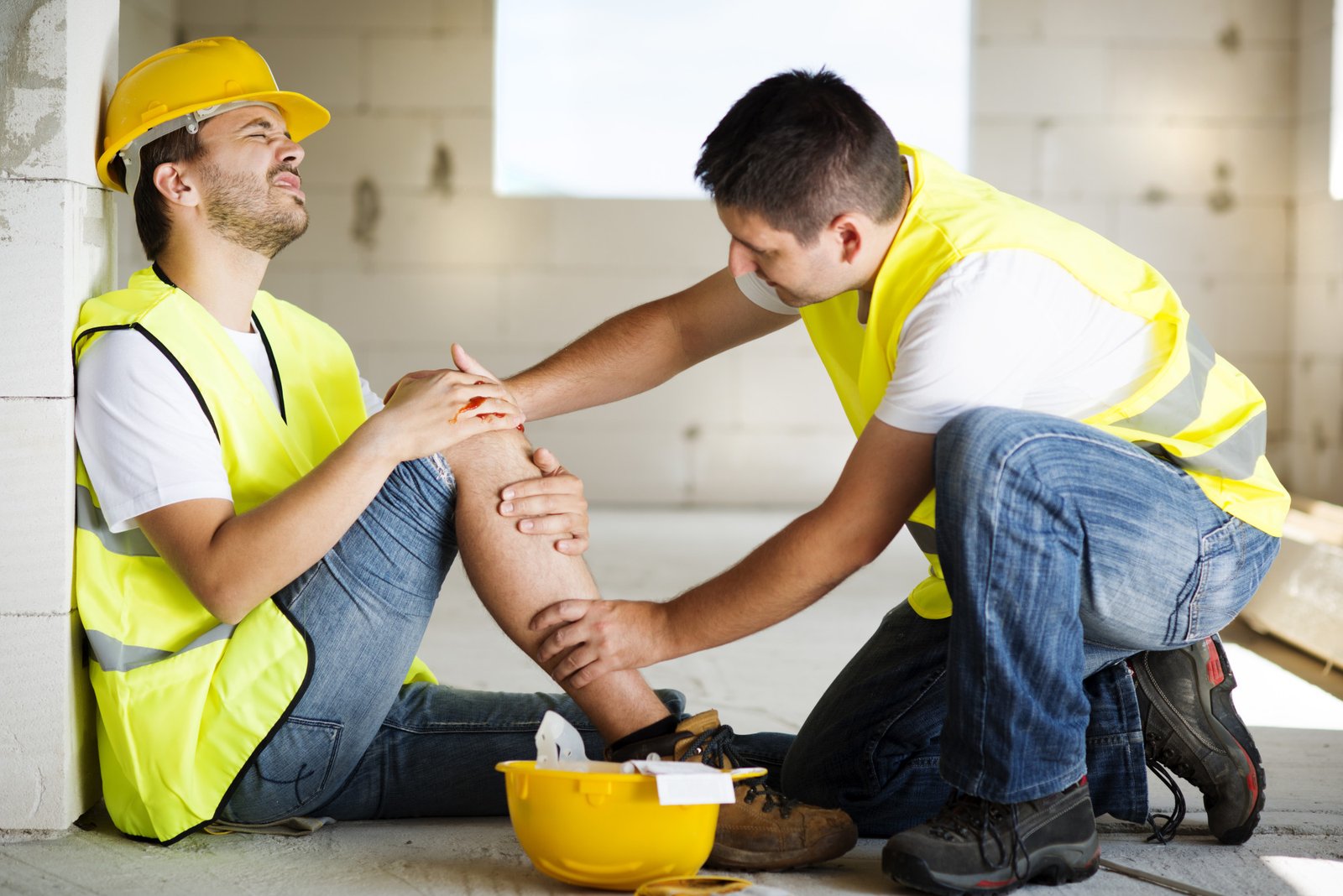
Firstly, slips and falls are among the most common workplace accidents. Wet floors, uneven surfaces, and poor lighting often lead to these incidents. As a result, employees may suffer fractures, sprains, or head injuries.
2. Overexertion and Muscle Strain
Secondly, lifting heavy objects or performing repetitive tasks can strain muscles. Consequently, workers often experience back pain, shoulder injuries, and joint problems.
3. Poor Ergonomics
In addition, improper workstation setup can lead to serious issues. For example, incorrect chair height or screen position can cause neck pain and posture-related problems.
4. Machinery Accidents
Moreover, workers who operate heavy machinery face a higher risk. Lack of training or safety measures can result in severe injuries, including cuts, burns, or amputations.
5. Exposure to Harmful Substances
Furthermore, exposure to chemicals, dust, or toxic materials can lead to respiratory problems and skin conditions. Over time, these exposures may cause chronic illnesses.
6. Workplace Violence
Lastly, workplace violence also contributes to injuries. Employees in healthcare, retail, and security sectors face a higher risk of physical harm.
Types of Work-Related Injuries
Work-related injuries vary depending on the nature of the job. However, some common types include:
- Musculoskeletal injuries: Back pain, sprains, and strains
- Fractures and dislocations: Often caused by falls or accidents
- Cuts and lacerations: Common in industrial settings
- Burn injuries: Due to chemicals, fire, or hot surfaces
- Repetitive strain injuries (RSI): Such as carpal tunnel syndrome
- Occupational illnesses: Including respiratory diseases and skin conditions
Symptoms You Should Never Ignore
Early detection plays a crucial role in recovery. Therefore, you should never ignore the following symptoms:
- Persistent pain or discomfort
- Swelling or inflammation
- Reduced mobility
- Numbness or tingling
- Fatigue or weakness
If you notice these signs, you should seek medical attention immediately. Otherwise, the condition may worsen over time.
Importance of Workplace Safety
Workplace safety is not just a legal requirement; it is a responsibility. Employers must ensure a safe working environment. At the same time, employees must follow safety guidelines.
Why Safety Matters
- It reduces the risk of injuries
- It improves employee morale
- It increases productivity
- It minimizes financial losses
Therefore, organizations should invest in proper safety measures and training programs.
Preventing Work-Related Injuries
Prevention is always better than cure. Fortunately, several strategies can significantly reduce the risk of workplace injuries.
1. Proper Training
Firstly, employers should provide regular training sessions. Employees must understand how to handle equipment safely and follow procedures.
2. Use of Protective Equipment
Secondly, using personal protective equipment (PPE) is essential. Helmets, gloves, masks, and safety shoes can prevent serious injuries.
3. Ergonomic Workstations
In addition, employers should design ergonomic workspaces. Adjustable chairs, proper desk height, and screen positioning can prevent strain.
4. Regular Breaks
Moreover, taking breaks reduces fatigue and prevents repetitive strain injuries. Employees should stretch and move regularly.
5. Safe Lifting Techniques
Furthermore, workers should use proper lifting techniques. For example, they should bend their knees and keep the back straight while lifting heavy objects.
6. Maintaining Clean Work Areas
Lastly, keeping the workplace clean and organized prevents slips and falls. Employers should ensure proper lighting and remove hazards.
What to Do After a Work-Related Injury
If an injury occurs, immediate action is crucial. Following the right steps can improve recovery and ensure proper documentation.
Step 1: Seek Medical Attention
First and foremost, the injured person should receive medical care. Even minor injuries should not be ignored.
Step 2: Report the Incident
Next, employees should report the injury to their supervisor. This step is important for documentation and insurance claims.
Step 3: Document Everything
Additionally, keeping records of the incident helps in legal and medical processes. Photos, reports, and medical records are essential.
Step 4: Follow Treatment Plan
Finally, patients must follow the prescribed treatment plan. Skipping therapy or medication can delay recovery.
Treatment Options for Work-Related Injuries
Treatment depends on the type and severity of the injury. However, several effective options are available.
1. Medication
Doctors often prescribe pain relievers and anti-inflammatory drugs. These medications help reduce pain and swelling.
2. Physiotherapy
Physiotherapy plays a key role in recovery. It helps restore mobility, strength, and flexibility. Moreover, it prevents future injuries.
3. Surgery
In severe cases, surgery may be required. For example, fractures or ligament injuries may need surgical intervention.
4. Rehabilitation Programs
Rehabilitation programs help patients return to work safely. These programs include physical therapy and occupational therapy.
5. Lifestyle Modifications
Patients should also adopt healthy habits. Regular exercise, proper posture, and a balanced diet support recovery.
Role of Employers in Injury Management
Employers play a crucial role in managing workplace injuries. They must take proactive steps to ensure safety.
Key Responsibilities
- Provide a safe working environment
- Conduct regular safety audits
- Offer training and awareness programs
- Ensure availability of first aid
- Support injured employees during recovery
By fulfilling these responsibilities, employers can reduce workplace risks effectively.