

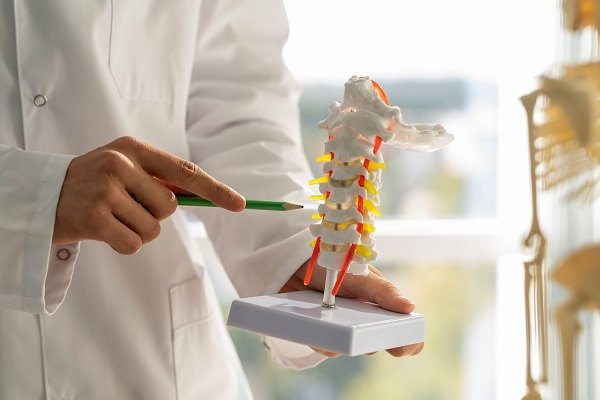
What is Spine Surgery?
Spine surgery is a medical procedure performed to correct problems in the spine. These problems may involve bones, discs, nerves, or surrounding tissues. Doctors recommend surgery only when non-surgical treatments like medication, physiotherapy, and lifestyle changes fail to provide relief.
In most cases, spine surgery aims to:
- Reduce chronic pain
- Relieve nerve pressure
- Improve mobility
- Restore spinal stability
Therefore, it plays a crucial role in helping patients return to normal life.
Common Conditions That Require Spine Surgery
Several spine-related conditions may require surgical intervention. Some of the most common include:
1. Herniated Disc
A herniated disc occurs when the soft inner portion of a spinal disc pushes through its outer layer. As a result, it presses on nearby nerves and causes pain, numbness, or weakness.
2. Spinal Stenosis
In this condition, the spinal canal narrows. Consequently, it puts pressure on the spinal cord and nerves, leading to pain and difficulty walking.
3. Degenerative Disc Disease
With age, spinal discs wear down. Therefore, patients may experience chronic back pain and stiffness.
4. Scoliosis
Scoliosis is an abnormal curvature of the spine. In severe cases, surgery becomes necessary to correct the alignment.
5. Spinal Fractures
Accidents or trauma can cause fractures in the spine. Immediate surgical treatment helps stabilize the spine and prevent further damage.
6. Slip Disc (Spondylolisthesis)
This condition occurs when one vertebra slips over another. As a result, it leads to nerve compression and severe pain.
When is Spine Surgery Necessary?
Doctors usually recommend spine surgery only after trying non-surgical treatments. However, surgery becomes necessary when:
- Pain persists for several months
- Nerve damage causes weakness or numbness
- You experience loss of bladder or bowel control
- Mobility becomes severely restricted
- Conservative treatments fail
In such situations, timely surgical intervention prevents further complications.
Types of Spine Surgery Treatments
Modern spine surgery includes various techniques. Each method depends on the patient’s condition and severity.
1. Discectomy
In this procedure, the surgeon removes the damaged portion of a herniated disc. As a result, pressure on the nerve reduces, and pain improves.
2. Laminectomy
During a laminectomy, the surgeon removes part of the vertebra called the lamina. This creates more space in the spinal canal and relieves nerve pressure.
3. Spinal Fusion
Spinal fusion joins two or more vertebrae together. Therefore, it stabilizes the spine and reduces pain caused by movement.
4. Artificial Disc Replacement
Instead of removing a damaged disc completely, doctors replace it with an artificial one. Consequently, it maintains natural spine movement.
5. Minimally Invasive Spine Surgery (MISS)
This advanced technique uses small incisions and specialized instruments. As a result, patients experience less pain, minimal scarring, and faster recovery.
Benefits of Spine Surgery
Spine surgery offers several benefits, especially when performed using modern techniques.
Firstly, it provides long-term pain relief. Secondly, it improves mobility and flexibility. In addition, it enhances overall quality of life.
Other benefits include:
- Faster recovery with minimally invasive methods
- Reduced hospital stay
- Lower risk of complications
- Improved posture and alignment
Therefore, many patients regain confidence and return to daily activities quickly.
Preparation Before Spine Surgery
Proper preparation ensures a successful outcome. Before surgery, doctors evaluate your overall health and medical history.
Steps to Prepare:
- Undergo diagnostic tests like MRI or CT scan
- Inform your doctor about medications
- Stop smoking, as it affects healing
- Follow fasting instructions before surgery
Additionally, maintaining a positive mindset helps you recover faster.
The Spine Surgery Procedure
The procedure varies depending on the type of surgery. However, most spine surgeries follow a standard process.
- Anesthesia: Doctors administer general or local anesthesia.
- Incision: The surgeon makes a small or large incision based on the technique.
- Treatment: The damaged part is repaired, removed, or replaced.
- Closure: Finally, the incision is closed using stitches or staples.
In minimally invasive surgery, surgeons use advanced imaging tools for precision.
Recovery After Spine Surgery
Recovery plays a vital role in achieving the best results. While recovery time varies, most patients start walking within a few days.
What to Expect:
- Mild pain and discomfort initially
- Gradual improvement in mobility
- Physical therapy for strength and flexibility
Tips for Faster Recovery:
- Follow your doctor’s instructions carefully
- Avoid heavy lifting
- Maintain proper posture
- Attend physiotherapy sessions regularly
Moreover, a healthy diet and regular exercise support healing.
Minimally Invasive vs Traditional Spine Surgery
Today, minimally invasive spine surgery is becoming more popular. Let’s compare both:
| Feature | Minimally Invasive | Traditional Surgery |
|---|---|---|
| Incision | Small | Large |
| Pain | Less | More |
| Recovery Time | Faster | Longer |
| Hospital Stay | Short | Extended |
Therefore, many patients prefer minimally invasive techniques for quicker recovery.