

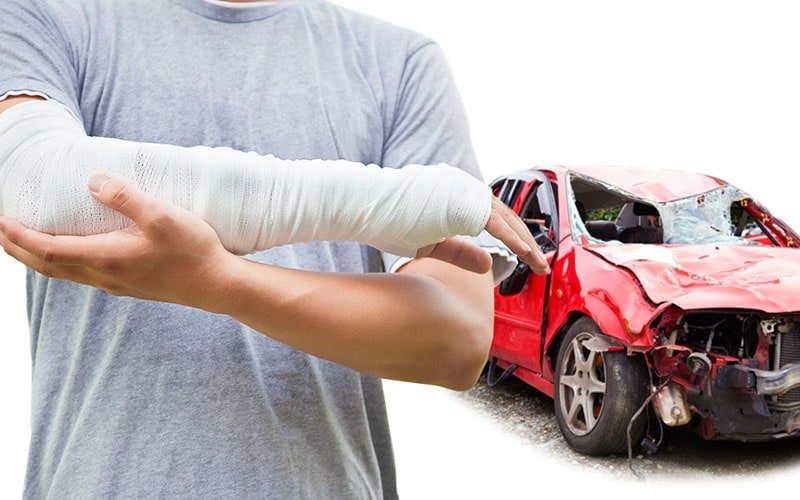
Motor Vehicle Injury: Causes, Symptoms, Treatment & Recovery
Motor vehicle injuries are among the most common causes of trauma worldwide. Every year, millions of people suffer injuries due to road accidents involving cars, motorcycles, trucks, and other vehicles. While some injuries are minor, others can be life-threatening and require immediate medical attention.
Therefore, understanding the causes, symptoms, treatment options, and recovery process is essential. This guide will help you stay informed and take the right steps toward recovery.
Many individuals experience anxiety, fear, or depression after a traumatic event. Therefore, counseling and emotional support are equally important.
What is a Motor Vehicle Injury?
A motor vehicle injury refers to any physical harm caused by a road traffic accident. These injuries can occur due to collisions, sudden braking, rollovers, or even pedestrian accidents.
Moreover, the severity of injuries depends on several factors, such as speed, impact force, use of safety measures, and overall health condition of the individual.
Common Causes of Motor Vehicle Injuries
Motor vehicle accidents happen for various reasons. However, some causes are more common than others.
1. Distracted Driving
Firstly, distracted driving is one of the leading causes of accidents. Activities like texting, talking on the phone, or adjusting the music divert attention from the road.
2. Over-speeding
Secondly, driving at high speed reduces reaction time. As a result, accidents become more severe and often lead to serious injuries.
3. Drunk Driving
In addition, alcohol consumption impairs judgment and coordination. Consequently, it increases the risk of collisions.
4. Poor Road Conditions
Furthermore, potholes, slippery roads, and lack of proper signage can lead to accidents.
5. Reckless Driving
Sudden lane changes, ignoring traffic signals, and aggressive driving also contribute significantly to accidents.
Types of Motor Vehicle Injuries
Motor vehicle accidents can cause a wide range of injuries. Some of the most common include:
1. Whiplash Injury
Whiplash occurs when the neck moves rapidly back and forth. It is especially common in rear-end collisions.
2. Head Injuries
Head injuries, including concussions and traumatic brain injuries, can be serious. Therefore, immediate medical attention is necessary.
3. Spinal Cord Injuries
These injuries can lead to partial or complete paralysis. Hence, early diagnosis is crucial.
4. Fractures
Broken bones in arms, legs, ribs, or pelvis are very common after accidents.
5. Soft Tissue Injuries
Sprains, strains, and muscle tears fall under this category.
6. Internal Injuries
Internal bleeding and organ damage may not be visible immediately but can be life-threatening.
Symptoms You Should Never Ignore
After an accident, some symptoms may appear immediately, while others develop over time. Therefore, it is important to stay alert.
- Persistent pain or swelling
- Headache or dizziness
- Neck or back stiffness
- Numbness or tingling
- Difficulty breathing
- Abdominal pain
- Loss of consciousness
If you experience any of these symptoms, you should consult a doctor immediately.
Diagnosis of Motor Vehicle Injuries
Proper diagnosis is essential for effective treatment. Doctors usually follow a systematic approach.
Initial Examination
Firstly, the doctor evaluates your medical history and symptoms.
Imaging Tests
Then, imaging tests such as X-rays, CT scans, and MRI scans help identify internal injuries.
Physical Assessment
Additionally, physical examination helps assess mobility, strength, and pain levels.
Treatment Options for Motor Vehicle Injuries
The treatment depends on the severity and type of injury. However, a combination of methods is often used.
1. Medication
Doctors prescribe pain relievers, anti-inflammatory drugs, and muscle relaxants to manage pain and swelling.
2. Physiotherapy
Physiotherapy plays a crucial role in recovery. It helps restore movement, improve strength, and reduce pain.
3. Surgical Treatment
In severe cases, surgery may be required to repair fractures or internal damage.
4. Chiropractic Care
This treatment helps in spinal alignment and pain relief, especially for neck and back injuries.
5. Rehabilitation Programs
Long-term rehabilitation is necessary for patients with serious injuries, such as spinal cord damage.
Importance of Physiotherapy in Recovery
Physiotherapy is one of the most effective treatments for motor vehicle injuries. Not only does it reduce pain, but it also improves mobility and overall function.
Benefits of Physiotherapy:
- Reduces stiffness and pain
- Improves flexibility and strength
- Enhances blood circulation
- Speeds up recovery
- Prevents long-term complications
Moreover, personalized exercise programs ensure better results.
Recovery Timeline: What to Expect
Recovery from motor vehicle injuries varies from person to person. However, understanding the general timeline can help set realistic expectations.
Short-Term Recovery
Minor injuries may heal within a few weeks with proper care.
Medium-Term Recovery
Moderate injuries may take a few months and require physiotherapy.
Long-Term Recovery
Severe injuries, such as spinal damage, may take years and need continuous rehabilitation.
Preventing Motor Vehicle Injuries
Although accidents are sometimes unavoidable, you can reduce the risk by taking preventive measures.
Safety Tips:
- Always wear a seatbelt
- Avoid using mobile phones while driving
- Follow speed limits
- Do not drink and drive
- Maintain your vehicle regularly
- Use helmets while riding motorcycles
By following these steps, you can protect yourself and others on the road.