

Joint Replacement Treatment (Knee, Hip, Shoulder & Elbow)
Osteomyelitis can simply be described as an infection of the bone. Bone infections can be a long and difficult diagnosis for a patient. Often times bone infections require the treatment of IV antibiotics and surgical intervention.
What is Joint Replacement Surgery?
Why Do You Need Joint Replacement?
Common Causes Include:
- Osteoarthritis – Gradual wear and tear of joint cartilage
- Rheumatoid arthritis – Autoimmune inflammation damaging joints
- Post-traumatic arthritis – Injury-related joint damage
- Avascular necrosis – Loss of blood supply to bone
- Severe fractures or deformities
Furthermore, symptoms such as persistent pain, stiffness, swelling, and reduced range of motion indicate the need for surgical intervention.
Types of Joint Replacement Surgeries
Knee Replacement Surgery
Knee replacement is one of the most frequently performed orthopedic surgeries. It is ideal for patients suffering from severe knee pain and limited mobility.
Procedure
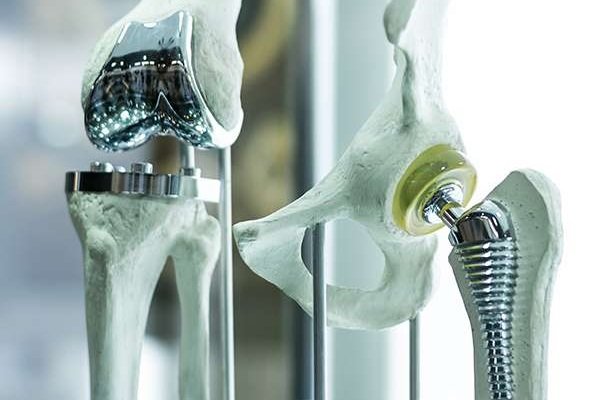
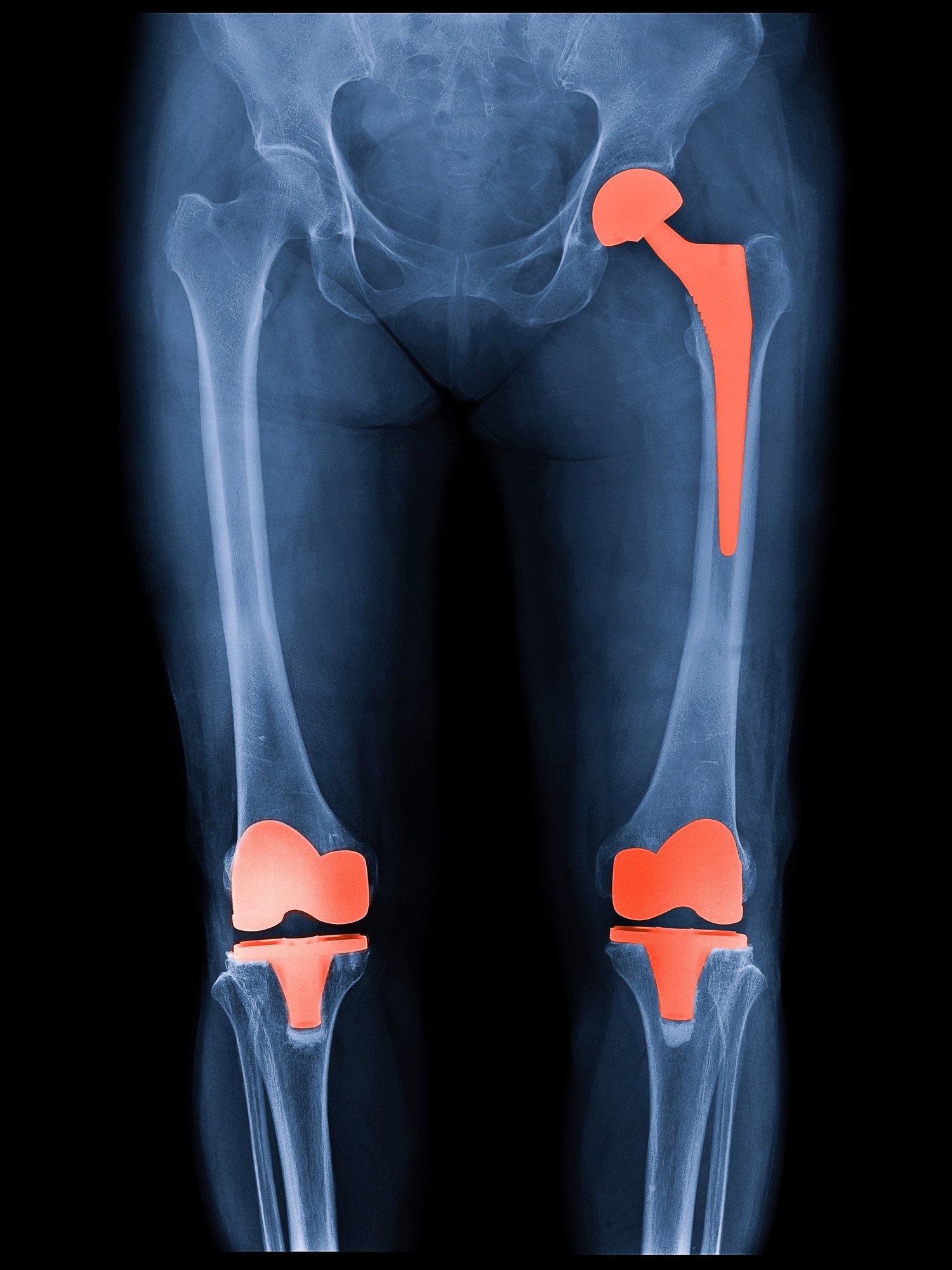
During the surgery, the damaged cartilage and bone are removed from the knee joint. Subsequently, the surgeon replaces them with metal and plastic components designed to replicate natural movement.
Benefits
- Relieves chronic knee pain
- Improves walking ability
- Enhances joint stability
- Corrects deformities
Recovery
Typically, patients start walking within a few days after surgery. Moreover, with proper physiotherapy, full recovery can be achieved within a few weeks to months.
Hip Replacement Surgery
Hip replacement surgery is recommended for patients experiencing severe hip pain due to arthritis or injury.
Procedure
In this procedure, the damaged hip joint is replaced with an artificial ball-and-socket implant. As a result, patients experience smoother and pain-free movement.
Benefits
- Reduces hip pain
- Restores mobility
- Improves flexibility
- Enhances quality of life
Recovery
Initially, patients may require support while walking. However, with consistent rehabilitation, most individuals return to normal activities within 6 to 12 weeks.
Shoulder Replacement Surgery
Shoulder replacement is suitable for individuals with severe shoulder arthritis or rotator cuff injuries.
Procedure
The surgeon replaces the damaged parts of the shoulder joint with artificial components. Depending on the condition, either a partial or total shoulder replacement may be performed.
Benefits
- Restores shoulder function
- Reduces pain
- Improves range of motion
- Enables daily activities
Recovery
Although recovery may take a few months, physiotherapy plays a crucial role in regaining strength and flexibility.
Elbow Replacement Surgery
Elbow replacement is less common but highly effective for severe joint damage.
Procedure
During the surgery, the damaged elbow joint is replaced with a prosthetic joint. Consequently, patients regain smoother movement and reduced discomfort.
Benefits
- Relieves chronic elbow pain
- Improves arm movement
- Restores joint function
Recovery
Recovery involves gentle exercises and gradual strengthening. Therefore, following the doctor’s advice is essential for optimal results.
Advantages of Joint Replacement Surgery
Joint replacement offers numerous benefits. Not only does it eliminate pain, but it also significantly improves mobility and overall well-being.
Key Benefits:
- Long-lasting pain relief
- Improved joint function
- Enhanced mobility
- Better quality of life
- Increased independence
Furthermore, most modern implants last for 15–20 years or more, making this procedure a long-term solution.
Minimally Invasive Techniques
Nowadays, many joint replacement surgeries use minimally invasive techniques. These approaches involve smaller incisions, which means less tissue damage and faster healing.
Advantages Include:
- Reduced pain
- Shorter hospital stay
- Faster recovery
- Minimal scarring
As a result, patients can resume their daily activities sooner compared to traditional methods.