

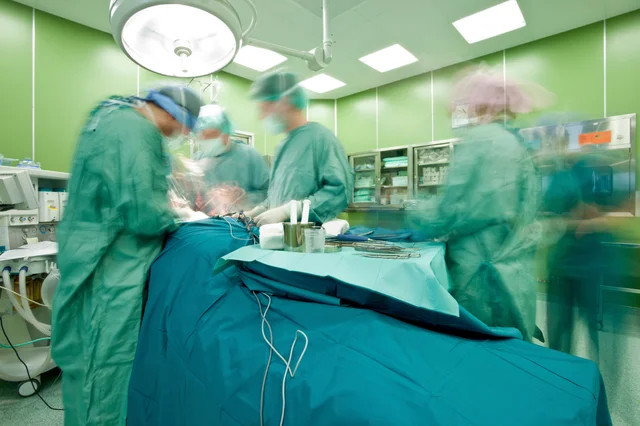
Emergency Surgeries: Life-Saving Procedures When Every Second Counts
What Are Emergency Surgeries?
Why Emergency Surgeries Are Important
Emergency surgeries are essential because they prevent serious complications and save lives. Moreover, they help control damage caused by injuries or sudden illnesses.
Here’s why they are crucial:
- They stop internal bleeding instantly
- They remove infected or damaged organs
- They restore normal body function
- They reduce the risk of death
In addition, early surgical intervention improves recovery chances significantly. Therefore, timely decision-making becomes extremely important.
Common Types of Emergency Surgeries
Emergency surgeries cover a wide range of medical situations. Let’s explore some of the most common ones.
1. Appendectomy (Appendix Removal)
Doctors perform this surgery when the appendix becomes inflamed, a condition known as appendicitis. If untreated, the appendix may rupture, leading to severe infection.
Therefore, surgeons remove the appendix immediately to prevent complications.
2. Trauma Surgery
Trauma surgery is necessary after road accidents, falls, or injuries. In such cases, patients may suffer from internal bleeding, fractures, or organ damage.
As a result, surgeons act quickly to repair injuries and stabilize the patient.
3. Cardiac Emergency Surgery
Heart-related emergencies, such as heart attacks or blocked arteries, often require urgent surgical intervention. Procedures like bypass surgery or angioplasty restore blood flow to the heart.
Consequently, timely treatment reduces heart damage and improves survival rates.
4. Cesarean Section (Emergency C-Section)
Sometimes, complications during childbirth require an emergency cesarean delivery. For example, if the baby’s heartbeat drops or labor does not progress, doctors perform surgery immediately.
Thus, this procedure ensures the safety of both mother and baby.
5. Gallbladder Surgery
Gallstones can cause severe pain and infection. If the condition worsens suddenly, doctors perform emergency surgery to remove the gallbladder.
Therefore, early intervention prevents further complications.
6. Intestinal Obstruction Surgery
Blocked intestines can cause severe abdominal pain and vomiting. If untreated, this condition may become life-threatening.
Hence, surgeons remove the blockage or damaged part of the intestine quickly.
7. Brain Surgery (Neurosurgery)
In cases of head injury, brain bleeding, or tumors, emergency brain surgery becomes necessary. Neurosurgeons act immediately to relieve pressure and prevent brain damage.
As a result, quick action improves survival chances.
Signs That Indicate Emergency Surgery May Be Needed
Recognizing the warning signs can help you seek immediate medical care. Therefore, never ignore these symptoms:
- Severe abdominal pain
- Uncontrolled bleeding
- Difficulty breathing
- Chest pain or pressure
- Sudden unconsciousness
- High fever with severe pain
- Persistent vomiting
If any of these symptoms occur, you should visit the emergency room immediately. Early diagnosis can save lives.
Steps Involved in Emergency Surgery
Although emergency surgeries happen quickly, doctors still follow structured steps to ensure safety.
1. Initial Assessment
First, the medical team evaluates the patient’s condition. They check vital signs such as heart rate, blood pressure, and oxygen levels.
2. Diagnostic Tests
Next, doctors perform tests like X-rays, CT scans, or blood tests to identify the problem accurately.
3. Stabilization
Before surgery, doctors stabilize the patient. For example, they may provide oxygen, fluids, or medications.
4. Surgical Procedure
After preparation, surgeons perform the operation immediately. They focus on resolving the life-threatening issue.
5. Post-Surgery Care
Finally, patients receive intensive care after surgery. Doctors monitor recovery and prevent complications.
Recovery After Emergency Surgery
Recovery depends on the type of surgery and the patient’s overall health. However, proper care can speed up healing.
Tips for Faster Recovery:
- Follow your doctor’s instructions carefully
- Take prescribed medications on time
- Maintain a healthy diet
- Avoid heavy physical activity
- Attend follow-up appointments
In addition, emotional support from family members helps patients recover faster.
Role of Advanced Technology in Emergency Surgeries
Modern technology has improved emergency surgeries significantly. Today, hospitals use advanced tools to perform procedures more safely and efficiently.
For example:
- Minimally invasive surgery reduces recovery time
- Robotic surgery improves precision
- Advanced imaging systems help accurate diagnosis
As a result, patients experience less pain and quicker recovery.
Importance of Choosing the Right Hospital
Choosing a well-equipped hospital can make a big difference in emergency situations. Therefore, always consider the following factors:
- Availability of experienced surgeons
- 24/7 emergency services
- Advanced medical equipment
- Intensive care unit (ICU) facilities
Moreover, a skilled medical team ensures better outcomes during critical procedures.
How to Be Prepared for Medical Emergencies
Although emergencies are unpredictable, you can still stay prepared.
Here’s how:
- Keep emergency contact numbers handy
- Know the nearest hospital location
- Maintain a basic first-aid kit
- Stay informed about your medical history
Additionally, regular health check-ups can help detect potential problems early.