

Pelvic–Acetabular Reconstruction: Advanced Solutions for Complex Hip Injuries
What is Pelvic–Acetabular Reconstruction?
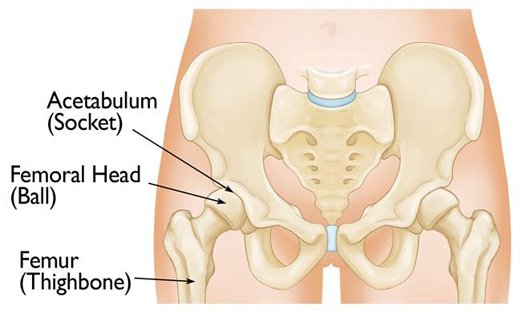
Pelvic–acetabular reconstruction refers to surgical procedures aimed at repairing or replacing damaged parts of the pelvic bone and acetabulum. The acetabulum forms the socket of the hip joint, where the femoral head (thigh bone) fits.
Why is Pelvic Reconstruction Necessary?
Pelvic injuries can be life-altering. Not only do they cause severe pain, but they also restrict mobility and daily activities. In many cases, non-surgical treatments are not sufficient.
Common Reasons for Reconstruction
- Complex acetabular fractures
- Pelvic trauma due to road accidents
- Failed hip replacement surgeries
- Bone loss due to infection or tumors
- Congenital deformities
- Severe arthritis affecting the hip joint
Moreover, delayed treatment can worsen the condition. Consequently, early diagnosis and timely surgical intervention play a crucial role in recovery.
Types of Pelvic–Acetabular Reconstruction Procedures
Depending on the severity and cause of the damage, surgeons choose different reconstruction techniques.
1. Open Reduction and Internal Fixation (ORIF)
In this procedure, surgeons realign fractured bones and fix them using plates and screws. This method is commonly used in trauma cases.
2. Total Hip Replacement (THR)
When the joint is severely damaged, doctors replace it with an artificial implant. This approach provides long-term pain relief and improved mobility.
3. Revision Hip Surgery
Sometimes, previous hip replacements fail. In such cases, revision surgery becomes necessary to correct the problem.
4. Bone Grafting
If there is significant bone loss, surgeons use bone grafts to rebuild the pelvic structure. These grafts may come from the patient or a donor.
5. Custom Implants
In complex cases, surgeons use specially designed implants to match the patient’s anatomy. As a result, outcomes become more precise and effective.
Symptoms That Indicate Need for Reconstruction
Patients often ignore early warning signs. However, recognizing symptoms early can prevent complications.
Key Symptoms Include:
- Persistent hip or pelvic pain
- Difficulty walking or standing
- Limited range of motion
- Leg length discrepancy
- Instability in the hip joint
If these symptoms continue, consulting an orthopedic specialist becomes essential.
Diagnostic Evaluation
Before performing pelvic–acetabular reconstruction, doctors conduct a thorough evaluation.
Common Diagnostic Tests:
- X-rays – to assess bone structure
- CT scans – for detailed imaging of fractures
- MRI scans – to evaluate soft tissues
- Blood tests – to rule out infection
Additionally, doctors review the patient’s medical history and physical condition. This comprehensive approach ensures accurate diagnosis and effective treatment planning.
Surgical Procedure: Step-by-Step
Although the exact procedure varies, most pelvic–acetabular reconstruction surgeries follow a structured approach.
1. Preoperative Planning
First, surgeons carefully analyze imaging studies and plan the procedure.
2. Anesthesia
Next, the patient receives general or spinal anesthesia.
3. Surgical Approach
Then, the surgeon makes an incision to access the damaged area.
4. Reconstruction
After that, fractured bones are realigned, or damaged parts are replaced using implants or grafts.
5. Fixation
Finally, plates, screws, or prosthetic components are secured to stabilize the joint.
6. Closure
The incision is closed, and the patient is shifted to recovery.
Benefits of Pelvic–Acetabular Reconstruction
This surgery offers several life-changing benefits.
Key Advantages:
- Significant pain relief
- Improved mobility and function
- Restoration of joint stability
- Better quality of life
- Ability to return to daily activities
Furthermore, modern techniques ensure faster recovery and fewer complications.
Recovery and Rehabilitation
Recovery plays a vital role in the success of pelvic–acetabular reconstruction. Therefore, patients must follow medical advice strictly.
Recovery Timeline:
- First few days: Hospital stay and pain management
- 2–6 weeks: Limited movement with support
- 6–12 weeks: Gradual return to normal activities
- 3–6 months: Full recovery with physiotherapy
Rehabilitation Includes:
- Physical therapy exercises
- Strength training
- Walking support (walker or crutches)
- Lifestyle modifications
In addition, maintaining a healthy diet and staying active help speed up recovery.