Orthopaedic Rehabilitation: A Complete Guide to Recovery and Mobility
What is Orthopaedic Rehabilitation?
Orthopaedic rehabilitation refers to a specialized therapy program designed to restore function, strength, and mobility after musculoskeletal injuries or surgeries. It focuses on bones, joints, ligaments, tendons, and muscles.
Moreover, trained physiotherapists and rehabilitation specialists create personalized treatment plans based on the patient’s condition. These plans aim to reduce pain, improve flexibility, and enhance overall physical performance.
In addition, orthopaedic rehabilitation not only treats existing problems but also prevents future injuries.
Why is Orthopaedic Rehabilitation Important?
Orthopaedic rehabilitation is essential because it directly impacts recovery speed and quality. Without proper rehabilitation, patients may experience stiffness, weakness, or even permanent disability.
Key Reasons Include:
- Faster Recovery: Rehabilitation accelerates healing after injuries or surgeries
- Pain Reduction: It helps manage and reduce chronic pain effectively
- Improved Mobility: Patients regain movement and flexibility
- Prevention of Complications: It reduces the risk of re-injury or stiffness
- Enhanced Strength: Muscles become stronger and more stable
Furthermore, rehabilitation ensures that patients return to their daily activities safely and confidently.
Conditions Treated with Orthopaedic Rehabilitation
Orthopaedic rehabilitation covers a wide range of conditions. As a result, it benefits patients of all age groups.
Common Conditions Include:
- Fractures and dislocations
- Joint replacement surgeries (knee, hip, shoulder)
- Ligament injuries such as ACL tears
- Back and neck pain
- Arthritis and joint stiffness
- Sports injuries
- Post-operative recovery
- Tendonitis and bursitis
Additionally, rehabilitation programs are tailored according to the severity and type of condition.
Phases of Orthopaedic Rehabilitation
Orthopaedic rehabilitation follows a structured approach. Each phase plays a vital role in ensuring complete recovery.
1. Acute Phase (Pain Management)
Initially, the focus is on reducing pain and inflammation. During this stage:
- Ice therapy and medications are used
- Gentle movements are introduced
- Rest is emphasized
At this point, therapists ensure that further injury does not occur.
2. Recovery Phase (Restoring Mobility)
Once pain decreases, the next step involves improving movement.
- Stretching exercises are introduced
- Joint mobility is improved
- Muscle activation begins
Consequently, patients start regaining basic movements.
3. Strengthening Phase
After mobility improves, strengthening exercises become essential.
- Resistance training is added
- Muscle endurance is developed
- Balance and coordination improve
Moreover, this phase prepares the body for daily activities.
4. Functional Training Phase
Finally, patients focus on returning to normal life.
- Activity-specific exercises are performed
- Posture correction is emphasized
- Advanced strength training is included
As a result, patients regain confidence and independence.
Techniques Used in Orthopaedic Rehabilitation
Modern orthopaedic rehabilitation uses a combination of advanced techniques and traditional therapies.
1. Physiotherapy Exercises
Physiotherapy forms the foundation of rehabilitation. It includes:
- Range of motion exercises
- Strength training
- Stretching routines
These exercises improve flexibility and muscle function.
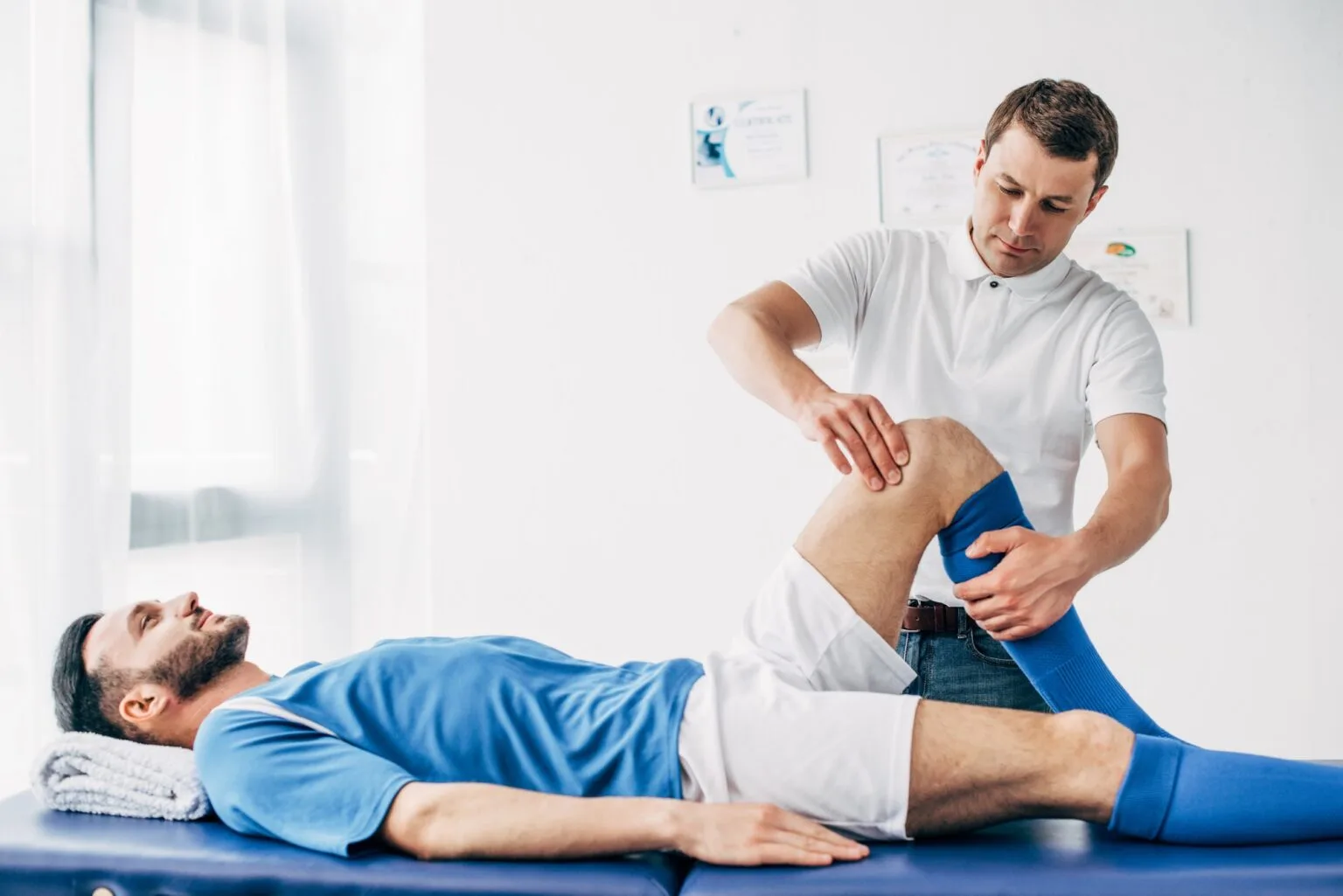
2. Manual Therapy
In addition, therapists use hands-on techniques such as:
- Joint mobilization
- Soft tissue massage
- Manipulation techniques
These methods reduce stiffness and improve circulation.
3. Electrotherapy
Electrotherapy uses electrical stimulation to reduce pain and promote healing.
- TENS (Transcutaneous Electrical Nerve Stimulation)
- Ultrasound therapy
- Laser therapy
Therefore, it enhances tissue repair and reduces inflammation.
4. Hydrotherapy
Hydrotherapy involves exercises performed in water.
- Reduces stress on joints
- Improves movement
- Enhances relaxation
As a result, it is especially beneficial for arthritis patients.
5. Postural Training
Correct posture plays a significant role in recovery.
- Improves spinal alignment
- Reduces strain on muscles
- Prevents future injuries
Thus, patients learn how to maintain proper body mechanics.
Benefits of Orthopaedic Rehabilitation
Orthopaedic rehabilitation offers numerous benefits that go beyond recovery.
Physical Benefits:
- Restores strength and flexibility
- Improves joint stability
- Enhances coordination
Mental Benefits:
- Boosts confidence
- Reduces stress and anxiety
- Encourages active lifestyle
Long-Term Benefits:
- Prevents chronic pain
- Reduces dependency on medications
- Improves quality of life
In conclusion, rehabilitation supports both physical and mental well-being.
Role of Physiotherapists in Rehabilitation
Physiotherapists play a central role in orthopaedic rehabilitation. They assess, diagnose, and treat movement-related issues.
Their Responsibilities Include:
- Designing personalized treatment plans
- Monitoring progress regularly
- Modifying exercises as needed
- Educating patients about posture and lifestyle
Furthermore, they motivate patients to stay consistent with their therapy.
Orthopaedic Rehabilitation After Surgery
Post-surgical rehabilitation is critical for successful recovery. Without proper care, surgeries may not deliver the expected results.
Common Surgeries Requiring Rehabilitation:
- Knee replacement
- Hip replacement
- Shoulder surgery
- Spine surgery
Rehabilitation Goals:
- Reduce pain and swelling
- Restore movement
- Strengthen muscles
- Prevent complications
Therefore, early rehabilitation ensures better outcomes.
Home-Based Orthopaedic Rehabilitation
In many cases, patients prefer home-based rehabilitation due to convenience.
Advantages Include:
- Comfort of home environment
- Personalized attention
- Flexible scheduling
- Reduced travel stress
However, patients must follow professional guidance to avoid incorrect techniques.