

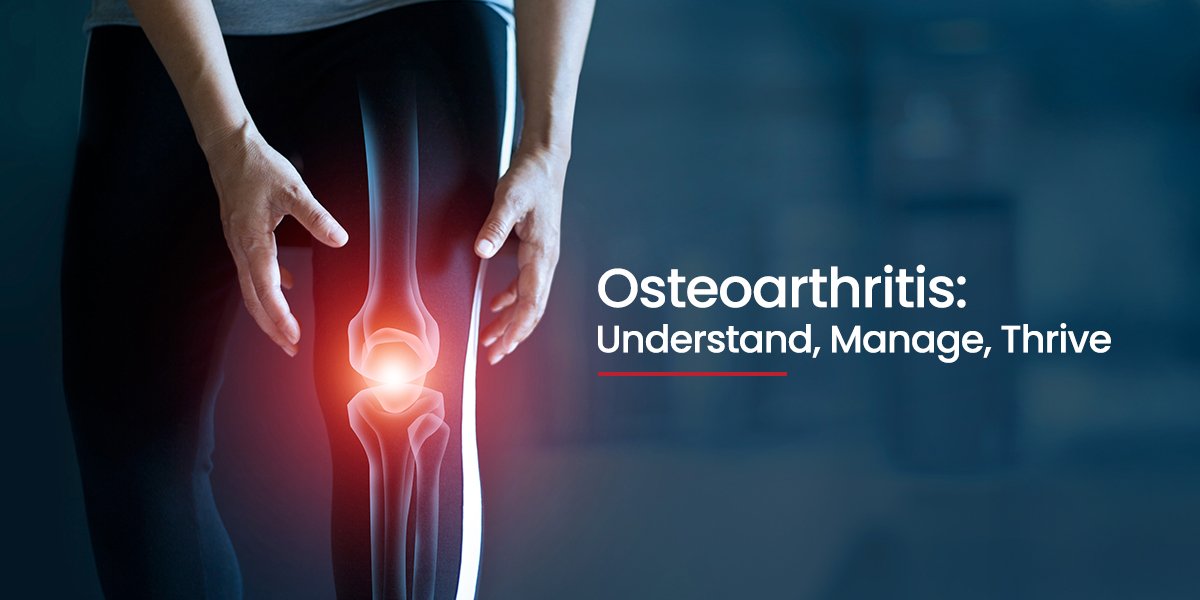
What Causes Osteoarthritis?
Osteoarthritis develops over time due to several contributing factors. First and foremost, aging plays a major role because cartilage naturally deteriorates as we grow older. However, other factors can accelerate this process.
Key Causes Include:
- Joint Wear and Tear: Continuous use of joints leads to gradual damage.
- Obesity: Excess weight increases pressure on weight-bearing joints.
- Injuries: Previous joint injuries or trauma can trigger early degeneration.
- Genetics: Family history may increase susceptibility.
- Poor Posture: Improper alignment stresses joints unnecessarily.
Moreover, lifestyle habits such as lack of exercise and unhealthy diet can further worsen joint health.
Common Symptoms of Osteoarthritis
Recognizing the symptoms early allows for timely treatment. Initially, symptoms may appear mild; however, they gradually worsen if left untreated.
Major Symptoms:
- Persistent joint pain
- Stiffness, especially in the morning
- Swelling around joints
- Reduced flexibility
- Grinding sensation during movement
In addition, patients may experience decreased strength and difficulty performing daily activities.
Diagnosis of Osteoarthritis
To begin with, doctors perform a thorough clinical examination. They assess joint movement, pain levels, and swelling. After that, diagnostic tests help confirm the condition.
Diagnostic Methods:
- X-rays: Reveal joint space narrowing and bone changes
- MRI Scans: Provide detailed images of cartilage and soft tissues
- Blood Tests: Rule out other types of arthritis
Therefore, early diagnosis ensures better management and prevents further damage.
Osteoarthritis Treatment Options
When it comes to treatment, a combination of therapies works best. Instead of relying on a single method, doctors recommend a comprehensive approach tailored to the patient’s condition.
1. Lifestyle Modifications
First of all, simple lifestyle changes can significantly reduce symptoms.
Key Changes:
- Maintain a healthy weight
- Stay physically active
- Follow a balanced diet
- Avoid excessive joint strain
For instance, losing even a small amount of weight can reduce pressure on knee joints and improve mobility.
2. Physiotherapy and Exercise
Next, physiotherapy plays a crucial role in strengthening muscles around the joints. As a result, joints become more stable and less painful.
Recommended Exercises:
- Stretching exercises
- Strength training
- Low-impact activities like walking and swimming
- Yoga and flexibility routines
Furthermore, regular exercise improves blood circulation and reduces stiffness.
3. Medications for Osteoarthritis
In many cases, medications help control pain and inflammation.
Common Medications:
- Pain relievers
- Anti-inflammatory drugs
- Topical gels and creams
However, doctors always prescribe medications carefully to avoid side effects. Therefore, patients should never self-medicate.
4. Advanced Non-Surgical Treatments
In addition to basic treatments, advanced therapies offer long-term relief.
Options Include:
- Injections: Lubricate joints and reduce inflammation
- Platelet-Rich Plasma (PRP) Therapy: Promotes healing
- Stem Cell Therapy: Regenerates damaged tissues
These treatments are particularly useful for patients who do not respond to conventional methods.
5. Surgical Treatment Options
When conservative treatments fail, surgery becomes necessary. Nevertheless, doctors recommend surgery only in severe cases.
Surgical Procedures:
- Arthroscopy (minimally invasive)
- Joint realignment (osteotomy)
- Joint replacement surgery
For example, knee replacement surgery can restore mobility and significantly reduce pain.
Benefits of Early Osteoarthritis Treatment
Undoubtedly, early intervention offers several advantages.
Key Benefits:
- Prevents joint damage progression
- Reduces pain and inflammation
- Improves mobility and flexibility
- Enhances overall quality of life
Therefore, patients should seek medical advice as soon as symptoms appear.
Osteoarthritis Treatment for Knee Pain
Knee osteoarthritis is one of the most common forms. It affects daily activities such as walking, climbing stairs, and sitting.
Treatment Focus:
- Strengthening thigh muscles
- Reducing joint load
- Using supportive braces if needed
Moreover, physiotherapy combined with proper medication provides effective relief.
Osteoarthritis Treatment for Hip Joints
Similarly, hip osteoarthritis causes pain in the groin and thigh area. Over time, it limits movement.
Treatment Approach:
- Regular stretching exercises
- Pain management techniques
- Surgical options in severe cases
Consequently, early treatment prevents complications and improves joint function.
Role of Diet in Osteoarthritis Management
In addition to medical treatments, diet plays an important role in managing osteoarthritis.
Recommended Foods:
- Anti-inflammatory foods like fruits and vegetables
- Omega-3 fatty acids (fish, nuts)
- Whole grains
Foods to Avoid:
- Processed foods
- Excess sugar
- Fried items
Thus, a healthy diet supports joint health and reduces inflammation.