

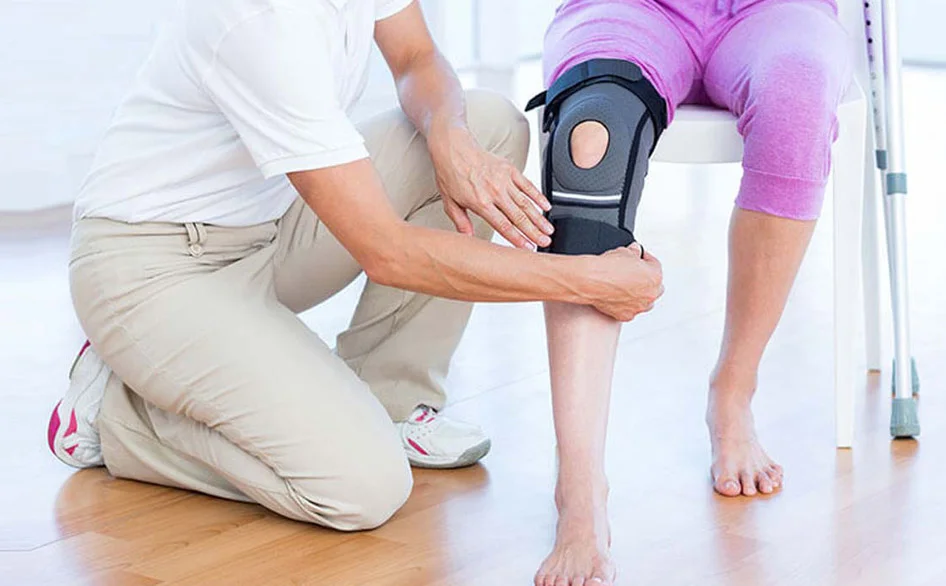
Pre & Post-Surgery Rehabilitation: A Complete Guide to Faster Recovery
What is Pre & Post-Surgery Rehabilitation?
Pre and post-surgery rehabilitation refer to structured programs designed to prepare your body for surgery and help it recover afterward.
- Pre-surgery rehabilitation (Prehab): Focuses on strengthening the body before surgery.
- Post-surgery rehabilitation (Rehab): Helps restore strength, mobility, and function after surgery.
Together, these phases create a smoother, faster, and more effective recovery process.
Importance of Pre-Surgery Rehabilitation
Before surgery, many patients focus only on the procedure itself. However, preparing your body in advance can significantly improve results.
1. Improves Physical Strength
First of all, prehabilitation strengthens muscles and improves flexibility. As a result, your body becomes better prepared to handle surgical stress.
2. Enhances Recovery Speed
Patients who follow pre-surgery rehab programs often recover faster. In other words, a strong body heals quicker.
3. Reduces Surgical Complications
Moreover, better fitness levels reduce the risk of complications such as infections, blood clots, and delayed healing.
4. Boosts Mental Confidence
Equally important, prehab prepares you mentally. When you understand the recovery process, you feel more confident and less anxious.
Key Components of Pre-Surgery Rehabilitation
A well-designed pre-surgery program includes multiple elements. Each component plays a specific role in preparing your body.
1. Physical Exercise
Doctors and physiotherapists recommend targeted exercises to improve:
- Strength
- Flexibility
- Endurance
For example, patients undergoing knee surgery may perform quadriceps strengthening exercises.
2. Nutritional Optimization
In addition, proper nutrition supports healing. A diet rich in:
- Protein
- Vitamins
- Minerals
helps your body recover faster after surgery.
3. Breathing Exercises
Especially for major surgeries, breathing exercises improve lung function. Consequently, they reduce the risk of post-operative complications like pneumonia.
4. Lifestyle Modifications
Furthermore, doctors may advise:
- Quitting smoking
- Reducing alcohol intake
- Managing weight
These changes significantly improve surgical outcomes.
What is Post-Surgery Rehabilitation?
After surgery, your body needs structured care to regain normal function. Post-surgery rehabilitation focuses on restoring:
- Mobility
- Strength
- Independence
Without proper rehab, recovery may be slow or incomplete. Therefore, it is essential to follow a guided rehabilitation plan.
Importance of Post-Surgery Rehabilitation
Post-operative rehabilitation is not optional—it is necessary for complete recovery.
1. Restores Movement and Function
Initially, surgery may limit movement. However, rehabilitation gradually restores mobility and flexibility.
2. Reduces Pain and Swelling
Therapies and exercises help reduce inflammation and discomfort. As a result, patients feel better sooner.
3. Prevents Complications
Without movement, complications like stiffness or blood clots can occur. Therefore, early rehabilitation is crucial.
4. Improves Long-Term Outcomes
Most importantly, proper rehab ensures that the surgery delivers lasting results.
Phases of Post-Surgery Rehabilitation
Recovery does not happen overnight. Instead, it occurs in stages.
Phase 1: Immediate Recovery (0–7 Days)
Right after surgery, the focus is on:
- Pain management
- Gentle movements
- Preventing complications
During this phase, doctors may recommend light exercises such as ankle pumps or deep breathing.
Phase 2: Early Rehabilitation (1–4 Weeks)
Next, patients begin:
- Light physiotherapy
- Assisted movements
- Gradual strengthening
At this stage, mobility starts improving.
Phase 3: Strengthening Phase (4–12 Weeks)
Afterward, more active exercises are introduced. These include:
- Strength training
- Balance exercises
- Functional movements
As a result, patients regain independence.
Phase 4: Advanced Recovery (3 Months and Beyond)
Finally, patients return to normal activities. Some may also engage in sports-specific training if needed.
Types of Surgeries That Require Rehabilitation
Rehabilitation is essential for many types of surgeries, including:
Orthopedic Surgeries
- Knee replacement
- Hip replacement
- Spine surgery
These procedures require extensive physiotherapy for mobility restoration.
Cardiac Surgeries
After heart surgery, rehabilitation focuses on:
- Improving cardiovascular health
- Increasing stamina
- Monitoring heart function
Neurological Surgeries
Patients recovering from brain or nerve surgeries need specialized rehabilitation to regain coordination and function.
General Surgeries
Even routine surgeries benefit from rehabilitation to speed up recovery and reduce discomfort.
Role of Physiotherapy in Rehabilitation
Physiotherapy is the backbone of both pre and post-surgery rehabilitation.
Why Physiotherapy is Important
- Improves muscle strength
- Enhances flexibility
- Reduces pain
- Speeds up recovery
Moreover, physiotherapists create personalized treatment plans based on the patient’s condition.
Benefits of Pre & Post-Surgery Rehabilitation
Combining both phases offers several advantages.
Faster Recovery
When patients prepare before surgery and continue rehab afterward, recovery becomes smoother and quicker.
Better Surgical Outcomes
Strong muscles and proper movement patterns improve the effectiveness of surgery.
Reduced Hospital Stay
In many cases, patients who follow rehab programs leave the hospital sooner.
Improved Quality of Life
Ultimately, rehabilitation helps patients return to their daily activities with confidence.
Common Rehabilitation Techniques
Several techniques are used depending on the type of surgery.
1. Exercise Therapy
Includes stretching, strengthening, and mobility exercises.
2. Manual Therapy
Physiotherapists use hands-on techniques to improve joint movement.
3. Electrotherapy
Devices like TENS help reduce pain and inflammation.
4. Hydrotherapy
Water-based exercises reduce strain on joints and improve mobility.