

Low Backache & Spine Surgery: Causes, Symptoms, Treatments & Advanced Surgical Solutions
Understanding Low Backache
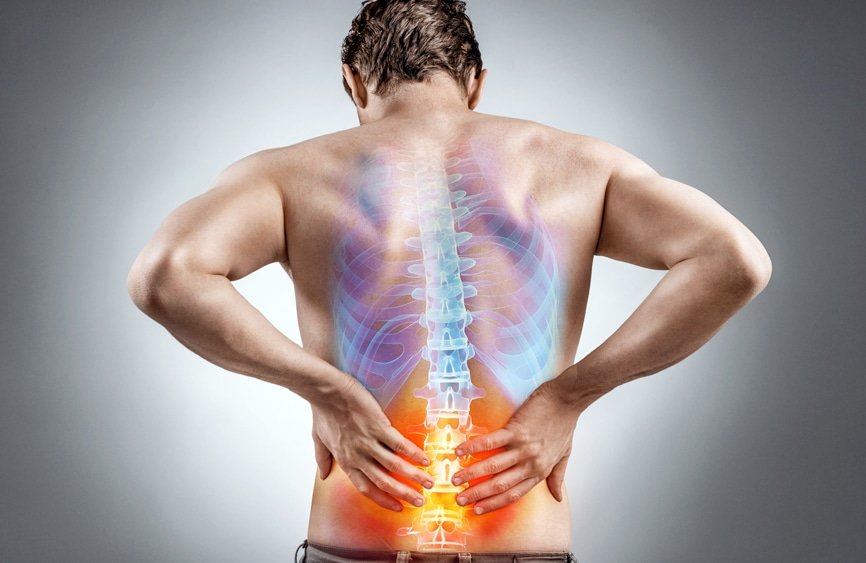
Low backache refers to pain or discomfort in the lower portion of the spine. This area, also known as the lumbar spine, plays a crucial role in supporting body weight and enabling movement.
Generally, back pain can be classified into:
- Acute (short-term pain lasting a few days to weeks)
- Chronic (long-term pain lasting more than 3 months)
While acute pain usually resolves on its own, chronic pain often requires medical attention.
Common Causes of Low Back Pain
Low back pain can occur due to multiple reasons. Therefore, identifying the root cause is essential for effective treatment.
1. Muscle Strain and Ligament Injury
First and foremost, sudden movements, heavy lifting, or improper posture can strain muscles and ligaments. As a result, this leads to pain and stiffness.
2. Herniated Disc (Slipped Disc)
When the soft inner portion of a spinal disc pushes out, it irritates nearby nerves. Consequently, patients may experience severe pain, numbness, or weakness.
3. Degenerative Disc Disease
As people age, spinal discs lose flexibility and hydration. Over time, this degeneration causes chronic pain and discomfort.
4. Spinal Stenosis
In this condition, the spinal canal narrows. Therefore, it puts pressure on the spinal cord and nerves, leading to pain and difficulty walking.
5. Sciatica
Sciatica occurs when the sciatic nerve is compressed. As a result, pain radiates from the lower back down to the legs.
6. Poor Posture and Sedentary Lifestyle
Nowadays, prolonged sitting and incorrect posture significantly contribute to back pain. In addition, lack of physical activity weakens core muscles.
7. Injuries and Accidents
Trauma from accidents or falls can damage the spine. Hence, immediate medical attention becomes necessary.
Symptoms You Should Not Ignore
Low back pain symptoms can vary depending on the cause. However, some warning signs require urgent evaluation.
- Persistent pain lasting more than a few weeks
- Pain radiating to legs
- Numbness or tingling sensation
- Muscle weakness
- Difficulty standing or walking
- Loss of bladder or bowel control (medical emergency)
If you notice these symptoms, then you should consult a spine specialist immediately.
Diagnosis of Spine Conditions
Accurate diagnosis is the key to successful treatment. Therefore, doctors use multiple methods to evaluate spine problems.
1. Physical Examination
Initially, the doctor assesses posture, mobility, and pain points.
2. Imaging Tests
Furthermore, advanced imaging helps confirm the diagnosis:
- X-rays (to check bone structure)
- MRI (to detect disc problems and nerve compression)
- CT scans (for detailed imaging)
3. Neurological Tests
In some cases, nerve function tests are performed to evaluate nerve damage.
Non-Surgical Treatment Options
In most cases, low back pain improves without surgery. Therefore, doctors first recommend conservative treatments.
1. Medications
Pain relievers, muscle relaxants, and anti-inflammatory drugs help reduce discomfort.
2. Physiotherapy
Physiotherapy plays a vital role in recovery. It strengthens muscles, improves flexibility, and reduces pain.
3. Lifestyle Modifications
Additionally, maintaining proper posture and staying active significantly improves spine health.
4. Heat and Cold Therapy
Applying heat or ice packs helps reduce inflammation and pain.
5. Epidural Steroid Injections
In some cases, injections provide relief by reducing nerve inflammation.
When is Spine Surgery Needed?
Although most patients recover without surgery, certain conditions require surgical intervention.
Doctors usually recommend surgery when:
- Pain persists despite conservative treatment
- Severe nerve compression is present
- There is progressive weakness
- Loss of bladder or bowel control occurs
- Structural deformities affect daily life
In such cases, timely surgery can prevent complications and improve quality of life.
Types of Spine Surgery
Modern spine surgery has advanced significantly. As a result, procedures are now safer, minimally invasive, and highly effective.
1. Discectomy
In this procedure, the surgeon removes the herniated portion of the disc. Consequently, nerve pressure is relieved.
2. Laminectomy
Here, part of the vertebra (lamina) is removed. Therefore, it creates more space for the spinal cord.
3. Spinal Fusion
In spinal fusion, two or more vertebrae are permanently joined. As a result, it stabilizes the spine and reduces pain.
4. Minimally Invasive Spine Surgery (MISS)
Nowadays, surgeons prefer minimally invasive techniques. These procedures involve smaller incisions, less pain, and faster recovery.
5. Artificial Disc Replacement
Instead of fusion, damaged discs can be replaced with artificial ones. Therefore, this helps maintain spine flexibility.
Benefits of Modern Spine Surgeryent
With technological advancements, spine surgery offers several benefits:
- Faster recovery time
- Minimal blood loss
- Reduced hospital stay
- Less post-operative pain
- High success rates
Moreover, patients can return to normal activities much sooner compared to traditional surge
Recovery After Spine Surgery
Recovery plays a crucial role in achieving the best results. Therefore, patients must follow proper guidelines.
Post-Surgery Care Includes:
- Following doctor’s instructions carefully
- Attending physiotherapy sessions regularly
- Avoiding heavy lifting
- Maintaining proper posture
- Gradually increasing activity levels
Prevention Tips for Low Back Pain
Prevention is always better than cure. Therefore, you should follow these simple tips:
1. Maintain Good Posture
Always sit and stand with proper alignment. This reduces stress on the spine.
2. Exercise Regularly
Regular exercise strengthens core muscles. As a result, it supports the spine effectively.
3. Avoid Prolonged Sitting
Take breaks every 30–60 minutes. Stretch and move around to reduce stiffness.
4. Lift Objects Correctly
Always bend your knees and keep your back straight while lifting heavy objects.
5. Maintain Healthy Weight
Excess weight puts pressure on the spine. Therefore, maintaining a healthy weight is essential.
6. Use Ergonomic Furniture
Using proper chairs and workstations significantly improves posture.