

Knee Pain / Injury: Causes, Symptoms, Treatment & Prevention
What is Knee Pain?
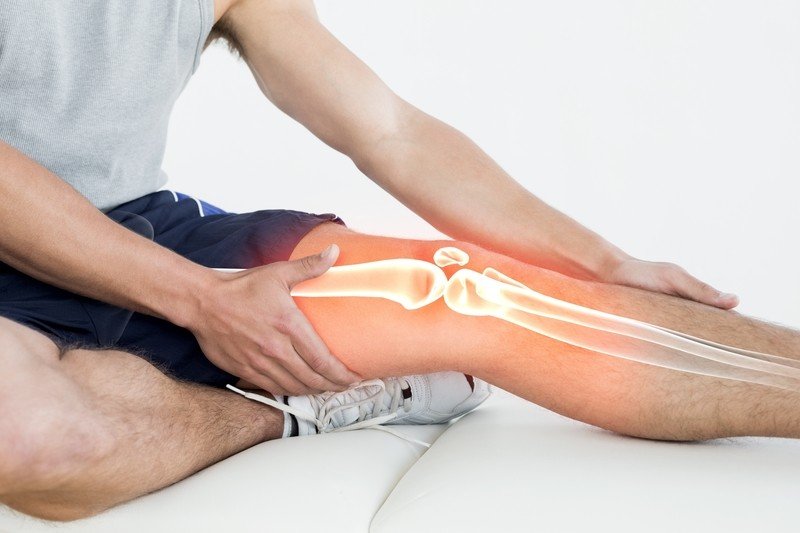
Knee pain refers to discomfort, stiffness, or inflammation in or around the knee joint. Since the knee is a complex joint made up of bones, cartilage, ligaments, and tendons, any damage or imbalance can lead to pain.
Moreover, knee pain can be temporary or chronic depending on the underlying cause. While minor injuries may heal quickly, severe conditions often require medical interventio
Common Causes of Knee Pain
Knee pain can develop due to various reasons. Let’s look at the most common causes:
1. Injury
First and foremost, injuries are a leading cause of knee pain. These include:
- Ligament tears (ACL, PCL, MCL)
- Meniscus tears
- Fractures
- Dislocations
For instance, sudden twisting or impact during sports can damage the knee structures.
2. Osteoarthritis
In addition, osteoarthritis is a degenerative joint disease that occurs due to wear and tear. It is especially common in older adults.
3. Tendinitis
Furthermore, overuse of the knee can inflame the tendons, leading to pain and swelling.
4. Bursitis
Similarly, inflammation of the bursae (fluid-filled sacs) can cause discomfort, particularly after repetitive movements.
5. Obesity
Excess body weight increases pressure on the knee joint. Consequently, this accelerates joint degeneration.
6. Poor Posture or Alignment
Improper posture or misalignment of bones can also contribute to knee pain over time.
Symptoms of Knee Pain
Knee pain symptoms can vary depending on the cause. However, some common signs include:
- Persistent pain or discomfort
- Swelling and stiffness
- Redness and warmth
- Limited range of motion
- Weakness or instability
- Popping or crunching sounds
In severe cases, individuals may find it difficult to walk or stand properly. Therefore, early diagnosis is crucial.
Types of Knee Injuries
Understanding the type of injury helps in proper treatment. Here are the main types:
1. Ligament Injuries
These injuries occur due to sudden twists or impacts. Athletes commonly experience them.
2. Meniscus Tear
This involves damage to the cartilage that cushions the knee joint.
3. Tendon Injuries
Overuse or repetitive stress can damage the tendons.
4. Fractures
Accidents or falls can break the knee bones.
5. Dislocation
In this condition, the kneecap moves out of its normal position.
Diagnosis of Knee Pain
To begin with, doctors perform a physical examination. After that, they may recommend diagnostic tests such as:
- X-rays (to detect bone issues)
- MRI scans (to view soft tissues)
- CT scans (for detailed imaging)
- Blood tests (to rule out infections or arthritis)
As a result, proper diagnosis ensures accurate treatment.
Treatment Options for Knee Pain
Fortunately, knee pain is treatable. The treatment depends on the severity and cause.
1. Rest and Activity Modification
Initially, doctors recommend rest. Avoid activities that worsen the pain.
2. Medications
Pain relievers and anti-inflammatory drugs help reduce discomfort and swelling.
3. Physiotherapy
Physical therapy strengthens muscles and improves flexibility. Therefore, it plays a crucial role in recovery.
4. Ice and Heat Therapy
Applying ice reduces swelling, whereas heat helps relax muscles.
5. Knee Braces
Supportive braces stabilize the joint and prevent further injury.
6. Injections
Doctors may recommend steroid or lubricant injections for severe pain.
7. Surgery
In advanced cases, surgical options include:
- Arthroscopy
- Ligament reconstruction
- Knee replacement
Home Remedies for Knee Pain
In addition to medical treatments, simple home remedies can provide relief:
- Apply ice packs for 15–20 minutes
- Elevate the leg to reduce swelling
- Perform gentle stretching exercises
- Maintain a healthy weight
- Use proper footwear
As a result, these remedies help manage mild knee pain effectively.
Exercises for Knee Strength
Regular exercise strengthens the knee joint. However, perform them carefully:
1. Straight Leg Raises
This exercise strengthens the quadriceps without stressing the knee.
2. Hamstring Stretch
It improves flexibility and reduces stiffness.
3. Wall Squats
These help build strength in the lower body.
4. Step-Ups
They improve balance and stability.
Nevertheless, always consult a physiotherapist before starting any exercise routine.
Prevention of Knee Pain
Prevention is always better than cure. Therefore, follow these tips:
- Maintain a healthy weight
- Exercise regularly
- Warm up before physical activity
- Use proper techniques during sports
- Wear supportive footwear
- Avoid sudden movements
Additionally, strengthening surrounding muscles reduces the risk of injury.
Advanced Treatments for Knee Injuries
Modern medicine offers advanced solutions:
1. PRP Therapy (Platelet-Rich Plasma)
This therapy uses the patient’s blood to promote healing.
2. Stem Cell Therapy
It helps regenerate damaged tissues.
3. Minimally Invasive Surgery
These procedures ensure faster recovery and less pain.
Consequently, patients experience better outcomes with advanced techniques.