

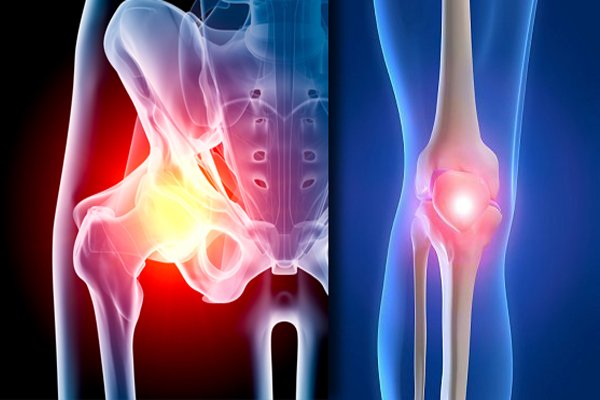
Polytrauma & All Fracture Cases – Advanced Trauma Care & Orthopedic Expertise
What is Polytrauma?
Polytrauma refers to a condition where a person suffers multiple traumatic injuries at the same time. These injuries often involve:
- Bones (fractures)
- Internal organs
- Head injuries
- Soft tissue damage
Usually, polytrauma occurs due to road traffic accidents, falls from height, industrial accidents, or sports injuries. Because these injuries can be life-threatening, doctors must act quickly and efficiently.
Moreover, proper coordination between emergency, surgical, and rehabilitation teams ensures better survival rates.
Understanding Fractures
Types of Fractures We Treat
We specialize in treating all types of fractures, including:
1. Simple Fractures
These fractures involve a clean break in the bone without damaging surrounding tissues.
2. Compound (Open) Fractures
In this case, the broken bone pierces the skin. Therefore, it increases the risk of infection and requires immediate surgical care.
3. Comminuted Fractures
Here, the bone breaks into multiple fragments. As a result, treatment becomes more complex and may require surgical fixation.
4. Greenstick Fractures
These are incomplete fractures commonly seen in children due to flexible bones.
5. Stress Fractures
These develop gradually due to repetitive stress, especially in athletes.
6. Pathological Fractures
These fractures occur due to weakened bones caused by diseases like osteoporosis or tumors.
Causes of Polytrauma and Fractures
Several factors can lead to severe injuries. For instance:
- Road traffic accidents
- Falls from height
- Sports injuries
- Workplace accidents
- Violence or physical assault
Additionally, age-related bone weakness increases the risk of fractures, especially in elderly individuals.
Symptoms You Should Never Ignore
Recognizing symptoms early helps prevent complications. Therefore, you should seek immediate medical care if you notice:
- Severe pain at the injury site
- Swelling and bruising
- Deformity or abnormal positioning
- Inability to move the limb
- Open wounds with visible bone
- Dizziness or unconsciousness (in polytrauma cases)
Furthermore, delayed treatment can lead to improper healing and long-term disability.
Emergency Management of Polytrauma
In polytrauma cases, every second counts. Initially, doctors follow a structured approach:
1. Primary Survey (Life-Saving Steps)
First, the focus remains on:
- Airway management
- Breathing support
- Circulation control
2. Stabilization
Next, doctors stabilize fractures and control bleeding to prevent further damage.
3. Detailed Assessment
After stabilization, imaging tests like X-rays, CT scans, and MRI help identify internal injuries.
4. Multidisciplinary Approach
Simultaneously, specialists from orthopedics, neurosurgery, and general surgery collaborate to provide complete care.
Advanced Diagnostic Facilities
Accurate diagnosis forms the foundation of successful treatment. Therefore, we use:
- Digital X-rays for quick imaging
- CT scans for complex fractures
- MRI for soft tissue and ligament injuries
- Blood tests for overall assessment
As a result, we ensure precise evaluation and effective treatment planning.
Treatment Options for Fractures
Treatment depends on the type and severity of the fracture. However, early intervention always improves outcomes.
Non-Surgical Treatment
For minor fractures, doctors recommend:
- Immobilization using casts or splints
- Pain management medications
- Regular follow-ups
In many cases, bones heal naturally with proper support and care.
Surgical Treatment
For complex fractures, surgery becomes necessary. Therefore, we offer advanced procedures such as:
1. Internal Fixation
Doctors use plates, screws, or rods to stabilize bones internally.
2. External Fixation
A metal frame outside the body holds bones in proper alignment.
3. Joint Replacement
In severe cases, damaged joints are replaced to restore mobility.
4. Minimally Invasive Surgery
This technique reduces recovery time and minimizes pain.
Polytrauma Surgical Management
Polytrauma cases often require multiple surgeries. However, doctors prioritize procedures based on urgency.
- Emergency surgery for life-threatening injuries
- Fracture fixation after stabilization
- Reconstructive surgery for long-term recovery
Moreover, continuous monitoring ensures patient safety throughout the treatment process.
Rehabilitation and Recovery
Recovery does not end after surgery. Instead, rehabilitation plays a vital role.
Physiotherapy
Physiotherapy helps:
- Restore movement
- Strengthen muscles
- Improve flexibility
Pain Management
Doctors use medications and therapies to reduce pain and discomfort.
Lifestyle Modifications
Patients receive guidance on:
- Nutrition for bone healing
- Safe movement techniques
- Preventing future injuries
Consequently, a structured rehabilitation plan ensures faster and complete recovery.
Polytrauma cases often require multiple surgeries. However, doctors prioritize procedures based on urgency.
- Emergency surgery for life-threatening injuries
- Fracture fixation after stabilization
- Reconstructive surgery for long-term recovery
Moreover, continuous monitoring ensures patient safety throughout the treatment process.