Comprehensive Treatment for Paediatric Orthopaedics
What is Paediatric Orthopaedics?
Common Paediatric Orthopaedic Conditions
1. Congenital Disorders
Some children are born with musculoskeletal abnormalities. These include:
- Clubfoot (foot turned inward)
- Developmental Dysplasia of the Hip (DDH)
- Limb length discrepancies
Early intervention plays a vital role. In fact, many of these conditions can be corrected effectively if treated at the right time.
2. Growth Plate Injuries
Growth plates are soft areas at the ends of long bones. Because they are weaker than surrounding structures, they are more prone to injury.
For example:
- Sports injuries
- Falls or accidents
If left untreated, these injuries may affect bone growth. Therefore, prompt medical attention is essential.
3. Fractures in Children
Children commonly experience fractures due to active lifestyles. However, their bones are more flexible than adult bones.
Types of fractures include:
- Greenstick fractures
- Buckle fractures
- Complete fractures
Fortunately, children’s bones heal quickly. However, proper alignment and care remain necessary.
4. Scoliosis (Spine Curvature)
Scoliosis refers to an abnormal sideways curvature of the spine. It often develops during growth spurts.
Signs include:
- Uneven shoulders
- Tilted waist
- Visible spine curve
Early detection helps prevent severe deformity. Consequently, regular screening is recommended.
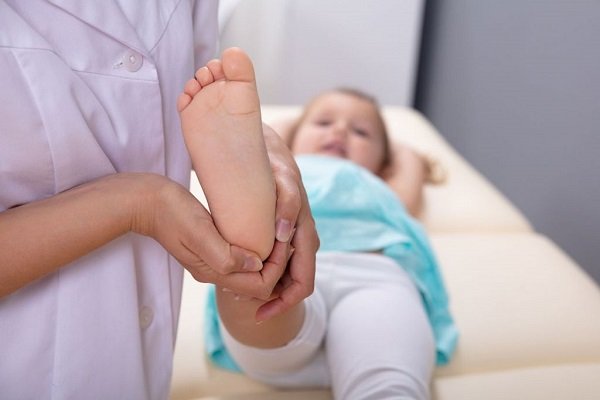
5. Flat Feet
Many children have flat feet during early development. However, some cases persist and cause discomfort.
If symptoms appear such as:
- Pain while walking
- Difficulty in physical activity
Then, medical evaluation becomes necessary.
6. Cerebral Palsy and Neuromuscular Disorders
Certain neurological conditions affect muscle control and movement. As a result, children may develop orthopaedic complications like:
- Joint stiffness
- Muscle tightness
- Abnormal posture
These conditions require long-term multidisciplinary care.
Importance of Early Diagnosis
Early diagnosis plays a crucial role in paediatric orthopaedics. The sooner a condition is identified, the easier it becomes to treat.
Benefits of Early Treatment:
- Prevents deformities
- Ensures proper bone growth
- Reduces need for surgery
- Improves mobility and function
Therefore, parents should not ignore signs like limping, pain, or abnormal posture.
Diagnostic Methods
Accurate diagnosis forms the foundation of effective treatment. Our clinic uses advanced diagnostic techniques to evaluate each child thoroughly.
1. Physical Examination
First, the doctor carefully examines the child’s posture, gait, and joint movement.
2. Imaging Tests
Next, imaging helps confirm the diagnosis:
- X-rays
- MRI scans
- CT scans
3. Growth Monitoring
Additionally, tracking growth patterns helps detect abnormalities early.
Treatment Options in Paediatric Orthopaedics
Treatment depends on the child’s age, condition, and severity. However, doctors always prefer the least invasive methods first.
1. Non-Surgical Treatments
a. Bracing and Casting
Braces and casts help correct deformities gradually. For example:
- Clubfoot correction using serial casting
- Scoliosis management with braces
b. Physiotherapy
Physiotherapy improves strength, flexibility, and mobility. Moreover, it helps children regain function after injuries.
c. Medications
Doctors may prescribe medications to reduce pain and inflammation.
d. Orthotic Devices
Custom-made shoe inserts and supports improve walking and posture.
2. Surgical Treatments
In some cases, surgery becomes necessary. However, doctors recommend it only when non-surgical methods fail.
Common Surgical Procedures:
- Correction of bone deformities
- Joint stabilization
- Tendon release surgeries
- Spine correction surgeries
Importantly, paediatric orthopaedic surgeons use child-friendly techniques to ensure faster recovery.
Rehabilitation and Recovery
Recovery does not end with treatment. Instead, rehabilitation plays a key role in ensuring complete healing.
Key Components:
- Regular physiotherapy sessions
- Follow-up visits
- Activity modification
Furthermore, parents must actively support their child during recovery.
Role of Parents in Treatment
Parents play a crucial role in the child’s recovery journey. Their involvement significantly improves outcomes.
What Parents Should Do:
- Follow medical advice strictly
- Ensure regular check-ups
- Encourage physical activity
- Provide emotional support
Additionally, maintaining a positive environment helps children recover faster.
Advanced Technology in Paediatric Orthopaedics
Modern technology has revolutionized paediatric orthopaedic care. As a result, treatments are now more precise and effective.
Innovations Include:
- Minimally invasive surgery
- 3D imaging techniques
- Computer-assisted surgery
Consequently, children experience less pain and quicker recovery.
Preventive Measures
Prevention is always better than cure. Therefore, parents should take proactive steps to protect their child’s musculoskeletal health.
Tips for Prevention:
- Encourage safe play
- Provide proper nutrition
- Ensure correct posture
- Avoid excessive screen time
Moreover, regular health check-ups help detect issues early.